Showing posts with label Awareness. Show all posts
1

What's in Your Bread Bag?

15 March 2012

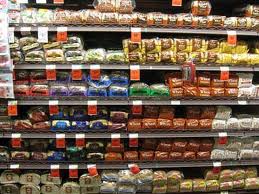
When people ask me what bread I would feed my family, the answer is always the same: organic sprouted bread. I highly recommend sprouted bread; however, I understand not everyone lives in a sprawling urban area and has access to stores that carry healthier options at lower prices. If sprouted bread is not an option, then please check your ingredients! High fructose corn syrup, sugar, food coloring, and many times a high level of salt fill the bread that is a common staple in most American's diets.


Before eliminating grains, I was able to read Bread Matters and it really opened my eyes to what was lurking in my bread bag. This chart is taken from the book. I aded the "Questions to Ask" category, and everything else I added is in italics.

IngredientWhat does it do?What’s the problem?Questions to Ask
FlourMain ingredient: source of carbohydrates, protein, fat, minerals, vitamins and other micronutrients.Many nutrients are depleted in refined (white) flours.If, as a society, we believe grains are a part of a healthy diet, are we referring to bleached and refined flours or wholesome grains that haven’t been stripped?
"Vitamin" replacements: Calcium Sulfate, Folic Acid, Nicain, Reduced Iron, Riboflavin, Thiamin MononitrateReplaces vitamins and minerals lost while processing the flourSynthetically derived; synthetic vitamins lack transporters and co-factors for your body to recognize, assimilate and utilize the nutrients.If the vitamins and minerals were not removed, would we have a whole food source of vitamins and minerals?

Water
Necessary to make flour into dough.
SaltAdds flavor; strengthens the gluten network in the dough; aids in keeping the quality of the bread (as a water attractant and a partial mold inhibitor.)Under pressure from food agencies, the bread industry is gradually reducing levels of salt in bread.What is the source of the salt? Is it the cheapest table salt that is normally stripped of minerals with chemicals to keep it from clumping?

Types of Salt
YeastAerates bread, makes it light in texture, and may contribute to flavor.Excessive use may lead to digestive problems. Excessive yeast can wreak havoc on a digestive system.With the significant rise in grain consumption, why are we surprised that we now hear so much about gluten intolerance, candida overgrowth, and “leaky gut?”
FatHard fats improve load volume, crumb softness, and keeping quality. Hydrogenated fats have been commonly used, though plant bakers are phasing them out.Not essential in traditional bread making, though often used. Hard to do without some fat in industrial bread.What are the sources of fat?
High Fructose Corn SyrupHFCS is an artificial sweetener derived from corn that has undergone an enzymatic process to convert glucose into fructose. Bakery items use HFCS 42 – meaning 42% fructose and 58% glucose.All HFCS is derived from genetically modified (GM) corn. It is labeled “generally recognized as safe” by the FDA, yet has health and environmental concerns, and some HFCS contains mercury, a neurotoxin.Are you familiar with the facts about HFCS? How about genetically modified foods? There is not enough room to write about GM corn, but here are some guidelines from the Mayo Clinic.
Non-fat dry milkDecreases staling rate, and improves crust color and softness.Not needed in bread-making.As a consumer, do you care about whether or not hormones and antibiotics are given to the cows whose dairy you consume?
Flour Treatment AgentL-ascorbic acid (E300). Can be added to flour by the miller or at the baking stage. Acts as an oxidant, which helps retain gas in the dough, making the loaf rise more.No nutritional benefits to the consumer (because degraded by the heat of baking.) Increased loaf volume may give the false impression of value.Have you noticed that homemade bread is often more dense than store-bought bread? This is why.
BleachChlorine dioxide gas to make flour white, used by millers for decades until banned in the UK in 1999. In other countries, eg theUS, flour may still be bleached.No nutritional benefits to the consumer. Chlorine is a potent biocide and greenhouse gas.Most of us would not intentionally ingest bleach, so why do many not think twice when making a bleached sandwich?

Great article from
Weston A. Price
Reducing AgentL-cysteine hydrochloride (E920). Cysteine is a naturally occurring amino acid. Use in backing to create more stretchy dough, especially hamburger buns and baguettes.No intended nutritional benefit, though also sold as a supplement. May be derived from human hair or duck feathers:
Cysteine & Hair
Soy FlourWidely use in bread as “improvers.” Has a bleaching effect on flour, assists “machinability” of dough and volume and softness of bread. Enables more water to be added to the dough mix.More than likely derived from genetically modified soybeans. Over 90% of the acres of soybeans planted in the US are genetically modified.Again, are you familiar with genetically modified foods, and why they are not good anyone? Have you read about the dangers of soy? If not, here is a good read: Weston A. Price

EmulsifiersWidely used in bread “improvers” to control the size of gas bubbles, to enable to dough to hold more gas, and there grow bigger, to make the crumb softer, and to reduce the rate of staling. They include:
E471: Mono- and diglycerides of fatty acids
E472e: Mono- and diacetyltartaric acid of esters of mono- and diglycerides of fatty acids
E481: Sodium strearoyl-2-lactylate (SSL)
E422: Glycerol mono-stearate (GMS)
E322” Lecithins – naturally occurring, mainly derived from soy
No nutritional benefit to consumer.
Soy lecithin may be derived from GM soy.
Increased loaf volumes gives misleading impression of value and post-baking softness may be confused with “freshness.”
Are you getting the most value if health is affected by emulsifiers? Do you associate softness with freshness?
PreservativesCalcium propionate (E282) is widely used. Vinegar (E260 acetic acid) is also used, though less effective. Preservatives are only necessary for prolonged shelf life. Home freezing is a chemical-free alternative.No nutritional benefit to consumer. Calcium propionate can cause “off” flavors if over-used and may be a carcinogen.Have you had the opportunity to see how long store bought bread versus homemade bread or sprouted bread?
EnzymesCame to the rescue of industrial breadmakers when additives like azodicarbonamide and potassium bromate were banned. Bread enzymes fall into various categories and have varied functions in breadmaking;
Amylase
Maltogenic amylase
Oxidase
Protease
Peptidase
Lipase
Phospholipase
Hemicellulase
Xylanase
Transglutaminase


No nutritional benefit to consumer.
No requirements to be included on ingredient declarations, because they are currently treated as “processing aids.” Even if the EU law in amended, the single word “enzymes” will be all that is require on label, leaving consumers in the dark about the origin the particular enzymes used.
Often produced by genetic engineering, though this is unlikely to be stated on consumer product labels.
Use of phospholipase derived from pig pancreas would be unacceptable to vegetarians and some religious groups, but there is no requirement to declare enzymes, let alone their source.
Some enzymes are potential allergens, notably Alpha-amylase. Bakery workers can become sensitized to enzymes from bread improvers.
Amylase can retain some of its potency as an allergen in the crust of loaves after baking.
Transglutaminase may act upon gliadin proteins in the dough to generate the epitope associated with celiac disease.
There are many concerns over added “enzymes.” Are you concerned about added potential allergens, another genetically modified food source, and the lack of exact information provided?


When we were purchasing bread, I bought two large loaves of organic sprouted bread from Costco for $7. Kroger, Target, and Walmart sell Nature’s Own whole wheat breads and buns which are HFCS-free, and Nature’s Own has an organic bread. Ezekiel bread is also a great company, and can be found at Kroger, Sprouts, and Whole Foods in the freezer section.

Or you could try making your own! I have tried several times to bake my own whole wheat bread and I was never satisfied with the results. Kitchen Stewardship did a great series on finding the perfect homemade whole wheat bread recipe that is worth a read. If you have a recipe to share, or you try one of Katie's, please share with readers.

2

What's My Deal With Grains?

01 November 2011

The paleo diet, going grain or gluten-free, and using sprouted grains are diet and lifestyle changes many of us have been hearing about, but why? Is it another bandwagon? Another weight-loss scheme? Digestive issues led me to an elimination diet, and that is when I discovered that there is a whole group of people that have gone completely grain-free. But why would a person who doesn't know of any grain sensitivities give up grains all together? For their health.

Before mass grain production, grains were often left in the fields to sprout. Sprouting increases the vitamin content, and makes food much more digestible. Years ago, the common person did not have easy access to grains, and prior to the invention of the roller mill (1872), flour was a luxury that only the wealthy could afford.

Now, most of us have half of an isle in our grocery store devoted to breads. Within those bread bags are the phytic acid containing grains. Phytic acids are mineral blockers that prevent the absorption of calcium, magnesium, iron, copper and zinc. Phytic acid is found in all grains, and as the outer coatings of nuts and seeds. Sprouting breaks down these phytic acids.

Phytic acids block much needed calcium which may become a risk factor for osteoperosis. Grains also cause insulin spikes. Insulin is the process of storing nutrients and processing glucose in the bloodstream. Our bodies cannot handle the large amount carbohydrates we consume; therefore, leading to higher risks and rates of diabetes.

As if phytic acids aren't bad enough, there are other culprits to decreasing health and increasing waist lines. The more talked about villain in this story is gluten. Gluten is a water soluble protein found in wheat, barley, rye and other carbohydrates. Gluten can and does break down microvilli in the small intestine.

Lectins also join in on the spiral downward. "Lectins are problematic because they are sticky molecules that can bind to the linings of human tissue, especially intestinal cells. In so doing, they disable cells in the GI tract, keeping them from repairing and rebuilding." (Source)

Just because we don't see any immediate consequences of mass grain consumption does not mean that there are no effects. Phytic acids, gluten and lectins have been linked with the following diseases:

- Syndrome X - PCOS is in this category, which can lead to hormone imbalance and infertility
- General lack of energy

So what does a person eat that isn't filling up on grains? Lots of protein, good fats like avocados, coconut oil, and animal fats (will write about fat soon), plenty of vegetables, and fruit. Our family does still eat grains, as you can see on my menu, but not every meal has to have a grain. It was an initial struggle for me to cut grains out of my diet, but the benefits were so many that it was worth it to stick it out. Within a week of going grain-free I noticed a spike in energy, less brain fog, much easier digestion, my skin cleared up, and weight-loss was the added bonus. I am now slowly working the grains out of my children's diets.

The road to good health is a journey. Do some more research. Would you think about doing a grain-free 30 day challenge, or challenging yourself to start pulling grains off the menu one meal at a time?


1

Paleo? SCD? What?

05 April 2011

As I mentioned in my last post, a lot has changed since I started this blog. A diet overhaul has been one of the things keeping me busy. Since I went off gluten my health has started to slowly improve, but since starting a "Paleo-like" diet I have a crazy amount of energy, my moods are elevated, and the brain fog is lifting.

I am going to be honest, and say that I am hesitant to tell people I am choosing the Paleo lifestyle. There are a lot of myths surrounding it, and also a lot of things I don't agree with as a Bible believing Christian (like evolution). However, after studying the foods on the Paleo diet, and seeing what it is that modern people consider food, I thought some changes needed to be made.

There is another approach called the "Specific Carbohydrate Diet." This diet's goal is to heal the digestive system from issues like ulcerative colitis, IBS, chronic constipation, and so on. The two diets are very similar, with one major difference I have found so far being that SCD allows some beans and legumes.


What the Paleo and SCD diet are:

A true lifestyle (not a synonym for diet) that focuses on eating plenty of protein (meat, fish, eggs), plenty of vegetables, fruit and nuts. Some include raw dairy into their lifestyle. As a family we consume raw dairy products. Many people who have grain sensitivities are finding this not only an easy alternative, but are reversing some of their allergies/sensitivities.

What the Paleo and SCD diet are not:

This is not a get-thin-quick-protein-only scheme, though many lose weight, but rather attempting to eat for optimum health. Carbohydrates from fruit and vegetables are absolutely allowed and encouraged.

So much has changed in our agricultural standards, and with the demand to mass produce it is understandable. The American diet is now filled with highly refined grains, shelf-stable food sources, and an endless amount of fillers. When I went off gluten I was shocked to see how many things have gluten in them! As a modern society, we have strayed away from eating whole foods that nourish our bodies.

Links have been included throughout this post, and I just wanted to share why many of the recipes I post here will now look a lot different. I will also continue to write more on this topic as I read and study. We are working hard on staying on our tight budget, and I hope to continue to encourage all of you towards a healthy lifestyle while not paying a lot of money to do so.
0

Listen to Your Body

03 March 2011

As a doula, I often tell clients to listen to their bodies. If they are continually desiring the same foods then maybe their body is asking for some vitamins and minerals. The practice of paying attention to cravings should not just be practiced during pregnancy, but should be something we all do. I recently stumbled across a great site that shows what you could be needing if you find yourself with an insatiable hankering. :)

As you enjoy dessert: Food Cravings
0

Safe & Inexpensive Sunscreen

08 June 2009

Cosmetic Database is my source for finding non-toxic cosmetics, soaps, lotions, etc. Cosmetic Database has a rating system of 0-10. 0 is absolutely non-toxic with no harmful chemicals, and a rating of 10 means a product is highly toxic.

I was introduced to this site last year, and was shocked when I started entering our supposedly "natural" products. There was a particular organic sunscreen that I used on my kids, recommended to others, and paid a pretty penny for. When I went to Cosmetic Database it was rated a 4!


We decided to go with CVS Zinc Oxide Spf 45+, because of it's rating and the price. If you watch the sales at CVS you can get a buy one, get one deal every few weeks. The sunscreen is great for sensitive skin, and we haven't had a burn yet.
6

Postpartum Thyroiditis

03 June 2009

Postpartum Thyroiditis (PPT) is a thyroid condition that effects at least 5-10% within one year of having their babies. I have trained as an apprentice midwife, am a childbirth educator, and serve women as a doula, but until January of this year I had not heard of the condition. PPT is easily written off as postpartum depression, fatigue associated with having a new baby, and common anxiety of being a new Mom. Women are told their thyroid panel numbers look normal, and are sent home with instructions to try to get some more rest.

My own struggles with PPT landed me in my CNP's office wanting answers. I knew I was not struggling with postpartum depression, and I had a laundry list of symptoms that pointed to my thyroid. I was told "my numbers were pretty normal," but we didn't stop there. I began to scour the internet, and email my care provider links to articles I found that were significant. After finding a goiter (enlarged thyroid), scanning for nodules on the goiter, and continually monitoring my numbers we came to the conclusion that I did in fact have PPT.

Postpartum thyroiditis has only been recognized in the last 15-20 years, and still to this day many mainstream doctors do not acknowledge it's effect on postpartum women. Postpartum thyroiditis is incredibly hard to diagnose, because it presents itself differently in different women. Sometimes there is a hyperthyroid phase and then the thyroid returns to normal. Other times there is only a hypothyroid phase, and then there are those that go through a hyper phase to only shoot into hypo. Obviously this makes PPT difficult to identify and treat.

Here are symptoms from each phase*:

Signs and symptoms of the hyperthyroid phase:

- goiter (an enlarged thyroid gland)
- fatigue
- nervousness
- irritability
- feeling hot
- rapid heartbeat
- inability to concentrate
- trembling hands
- muscle weakness
- weight loss

Signs and symptoms of the hypothyroid phase:

- goiter (an enlarged thyroid gland)
- fatigue
- depression
- poor memory
- feeling cold
- constipation
- muscle cramps
- difficulty losing weight

Once my CNP diagnosed me as having PPT I began a regimen of bovine glandular supplements and vitamins. Within just a few weeks I felt dramatically different, and my symptoms began to disappear. Another problem with PPT is that it is incredibly difficult to treat, because the thyroid "bounces" between being hyper and hypo. Many doctors start patients on Synthroid or Armour, but that can give patients horrible hyperthyroid symptoms.

Here is the following list of supplements I took under the guidance of my health care provider:

- Raw Thyroid - supports the thyroid gland whether you're hyper or hypo.
- All Adrenal - adrenal glands can become quickly taxed if the thyroid is struggling
- Cod Liver Oil - has omegas and a lot of vitamin D (see my CLO post)
- B Complex - super vitamin that helps balance emotions, strengthen nervous system, prevent anemia
- Prenatals
- Kelp - good source of iodine which is needed for body to function properly
- Magnesium - aids in digestion, helps me sleep better

*Excellent Article: Post Partum Thyroiditis

Side note: If you have suspected thyroid problems, but your tests come back normal please continue to be your own advocate. You can buy a basal body thermometer at any drugstore. Consistently take your temperature first thing in the morning before doing anything, and write down your temperatures. If your body temp is consistently below 97.6 degrees there is a significant chance you have a thyroid condition. Take these numbers to a doctor, and insist on being heard. It may take going to more than one doctor, but it's important to be treated if you have a thyroid problem.
0

The Scent of a Baby...

07 April 2009

I admit I love the smell of baby. Okay, it's not the smell of the actual baby, but the lotions and washes I grew up smelling on my much younger brother and sister. There are few things I miss since I got rid of all of our chemicals, and my children smelling like Johnson & Johnson is one of them.

However, once I did some research on what made the soap and lotion smell as lovely as it does I couldn't use it on my kiddos with a clear conscience. As I attempted to gather some sources for my blog I stumbled upon a well written and sourced article and decided to post a link.

"There’s a whole baby beauty care industry devoted to fragrant
and adorably packaged lotions, powders and ointments, but the reality is that
not only are they mostly unnecessary, they can be toxic too. In fact, the more
they smell the less natural they probably are. We’ve been trained to think that
lotions are soothing, that baby powder relieves wetness, but lotions really
aren’t necessary on an infant’s thin skin, and powder can actually increase
dampness, bacterial growth and rashes. Baby powders often contain talc too,
which is a carcinogen, and can irritate airways when inhaled.


I wash all of my kids with Dr. Bronner's Baby Mild that I have in a foaming hand pump. It's very easy and the kids love washing themselves with the foam. It's not "tear-free" (another post at another time), but it's easy to put a dry washcloth over their eyes and tip their heads back to rinse. If you find that the Baby Mild is too drying you can add a few drops of jojoba oil to the foaming pump. The 32 oz bottle of Dr. Bronner's will last a year washing all 3 children - you need VERY little because it is a concentrate.

Other Great Non-Toxic Alternatives:

Cheeky Maiden Kid Critters (stay-at-home-mom)

Seaside Naturals (GREAT products!)

1

HFCS: Yes or No?

19 March 2009

Most people just want to know if a product is "safe." Once a "yes" or "no" is given then they move ahead with their decision. We are doing ourselves, and our families, a huge disservice by not being informed consumers. Even I, a research geek, realizes that I cannot be on top of everything or research everything, but when something is brought to my attention that my family uses or is exposed to then I'm going to look into it.

I wonder how effective the recent commercials being released from the Corn Grower's Association telling people that high fructose corn syrup is natural, made from corn, and fine in moderation have been. Since the release of the commercials I have had more people ask me my opinion, and have been sent more interesting emails about HFCS then I ever have before. Facebook notes have been posted, and funny spoof videos have been released.

For your enjoyment:


Debunking the Myths:

1. Myth: HFCS is natural.

Truth:
High fructose corn syrup is processed using artificial ingredients. In order for a product to be deemed "natural" from the FDA it cannot have anything artificial added to the final product. The way HFCS manufacturers get around this is that the actual corn starch does not come in contact with additives (such as glutaraldehyde); however, because the corn starch does not come in contact with the chemicals it is considered safe. These practices are one of the reasons that many of the "natural" labels are scoffed at by consumers.

Article: Mercury Found in High-Fructose Corn Syrup (HFCS)

2. Myth: It's fine in moderation.

Truth:
HFCS has become ubiquitous. It is in breads, soups, condiments, cereals, juices, baby food, and the list goes on. It is incredibly difficult to eat high fructose corn syrup in moderation, and in 2007 the average American consumed 56 pounds of high fructose corn syrup.

Article: CBS News Reports - Sweetener Controversy Grows

3. Myth: It is the same as sugar.

Truth:
Notice how the first word is "High." High fructose equals less insulin production which leads to diabetes. The body uses fructose occurring in nutritionally dense fruit, but modified high fructose corn syrup is a very different thing. HFCS has unbound glucose and fructose molecules. This can lead to diabetes; furthermore, high levels of fructose from the simple carb cannot be absorbed elsewhere so they are absorbed by fat cells.

From the above diabetes article:

"Reactive carbonyls, which have been linked to tissue damage and complications of diabetes, are elevated in the blood of people with diabetes. A single can of soda, however, has five times that concentration of reactive carbonyls. Old-fashioned table sugar, on the other hand, has no reactive carbonyls because its fructose and glucose molecules are "bound" and therefore stable, unlike the "unbound" molecules of HFCS."
2

Interesting Videos on Flouride

14 March 2009

Stick with it, and you'll be surprised by what you hear and read. Part III ties it all in. Let me know what you think.

Fluoride Deception: Part I


Fluoride Deception: Part II


Fluoride Deception: Part III